
World Cup Discussion
World Cup Hydration Breaks Spark Debate Over Player Welfare and Momentum
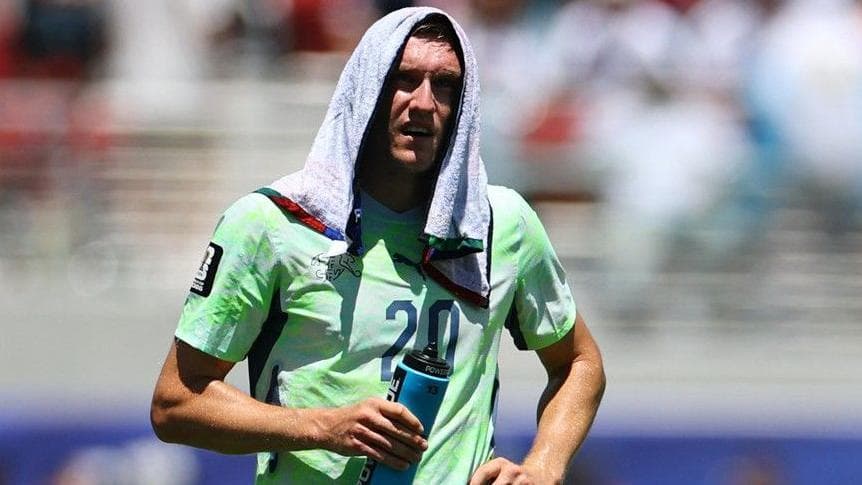
Hydration breaks have become one of the most talked-about features of the FIFA World Cup 2026.
At every match, play is stopped around the middle of each half so players can take water, cool down, and recover. The rule was introduced to help protect players from heat and humidity across host cities in Mexico, Canada, and the United States.
For player safety, the idea makes sense. Many World Cup matches are being played in warm summer conditions, and players need support to perform safely at the highest level. Some coaches believe the breaks are a positive step because they give athletes a chance to breathe, rehydrate, and continue the game in better condition.
However, not everyone is happy with the change. Some coaches, former players, and fans believe the breaks interrupt the natural rhythm of football. A team that is controlling the match may lose momentum when the referee stops play. At the same time, a team under pressure can use the break to reset, receive new instructions, and come back stronger.
This has already become a major talking point during the opening matches. In some games, teams appeared to improve shortly after a hydration break, while others seemed to lose control after the stoppage. For this reason, some people have started calling them “momentum breaks” instead of hydration breaks.
There is also debate about whether the breaks are only about player welfare. Some critics argue that the stoppages create extra space for television commercials, especially for broadcasters in the United States. This has led to questions about whether football is being changed for health reasons, entertainment needs, or business interests.
Still, the issue is not simple. The World Cup is being played across different cities, climates, stadium types, and weather conditions. Some matches may truly need hydration breaks because of heat, while others may feel less necessary, especially in cooler or climate-controlled stadiums.
As the tournament continues, hydration breaks could become an important part of the story. They may help protect players, change tactics, shift momentum, and even influence match results.
Whether fans love them or dislike them, one thing is clear: hydration breaks are now part of the FIFA World Cup 2026 conversation.